
Antibiotic resistance 2026 is no longer a future threat—it’s a global health crisis already unfolding around us. While pandemics like COVID-19 dominated headlines, antibiotic resistance has quietly grown into a deadly force, making common infections harder—and sometimes impossible—to treat. Millions of lives are now at risk due to bacteria that no longer respond to standard medicines.
In 2026, understanding antibiotic resistance isn’t optional. It’s essential for survival.
The Silent Pandemic: Why Antibiotic Resistance Is Worse Than You Think in 2026
Antibiotic resistance 2026 is often called a silent pandemic because it spreads without dramatic outbreaks—but its impact is just as deadly. Drug-resistant infections now kill more people annually than HIV and malaria combined.
What makes antibiotic resistance in 2026 especially dangerous is that:
-
Routine surgeries are becoming riskier
-
Simple infections can turn fatal
-
New antibiotics are not being developed fast enough
Without action, the world risks entering a post-antibiotic era where even minor injuries can be life-threatening.
How Overuse & Misuse Created Superbugs (Real Global Stats)
The rise of antibiotic resistance 2026 is largely man-made. Decades of misuse have trained bacteria to survive.
Major causes include:
-
Taking antibiotics for viral infections like colds or flu
-
Not completing prescribed courses
-
Overuse of antibiotics in livestock and poultry
-
Easy over-the-counter access in many countries
Global health data shows that misuse accounts for over 70% of antibiotic resistance growth worldwide, creating “superbugs” immune to multiple drugs.
The Deadliest Resistant Bacteria to Watch in 2026
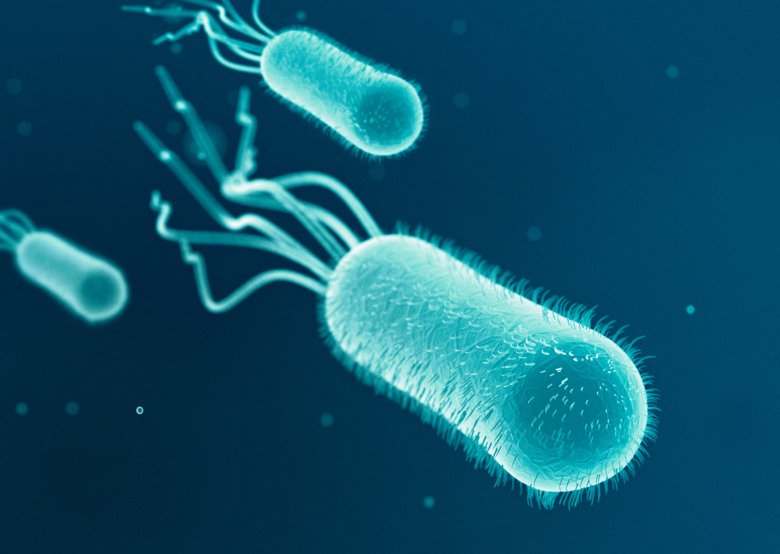
Several bacteria are driving antibiotic resistance 2026 deaths:
-
MRSA – Resistant staph infections common in hospitals
-
CRE (Carbapenem-resistant Enterobacteriaceae) – Known as “nightmare bacteria”
-
Drug-resistant Tuberculosis (DR-TB)
-
Gonorrhea strains resistant to last-line antibiotics
These pathogens make once-treatable diseases extremely dangerous, especially for the elderly and immunocompromised.
Everyday Habits That Fuel Resistance (And How to Stop Them)
Many people unknowingly worsen antibiotic resistance 2026 through daily habits:
Habits that fuel resistance
-
Pressuring doctors for antibiotics
-
Sharing leftover antibiotics
-
Self-medicating without diagnosis
How to stop
-
Only take antibiotics when prescribed
-
Finish the full course
-
Never share or reuse antibiotics
-
Ask doctors if antibiotics are truly necessary
Small changes at the personal level can significantly slow resistance.
Natural Ways to Boost Immunity & Reduce Antibiotic Need
One of the most effective defenses against antibiotic resistance 2026 is strong immunity, reducing the need for antibiotics altogether.
Natural immunity boosters include:
-
Balanced nutrition rich in zinc, vitamin C, and probiotics
-
Regular exercise and adequate sleep
-
Stress reduction (chronic stress weakens immunity)
-
Vaccinations to prevent bacterial infections
A stronger immune system means fewer infections—and fewer antibiotics.
What Governments & Doctors Are Doing (And What’s Missing)
To fight antibiotic resistance 2026, governments and healthcare systems are:
-
Restricting antibiotic prescriptions
-
Improving hospital infection control
-
Funding research into alternative treatments
However, gaps remain:
-
Slow antibiotic innovation
-
Poor regulation in developing countries
-
Lack of public awareness
Without global cooperation, current efforts may not be enough.
Global Differences: USA, India, Europe Resistance Rates
Antibiotic resistance 2026 varies widely by region:
-
USA: Strong regulation, but high hospital-acquired resistance
-
India: High resistance due to over-the-counter antibiotic access
-
Europe: Better stewardship programs, but rising community resistance
These differences show that policy, awareness, and access play critical roles.
Your Personal 2026 Protection Plan (Start Today)
You don’t need to wait for governments to act. Protect yourself from antibiotic resistance 2026 now:
-
Use antibiotics responsibly
-
Strengthen immunity through lifestyle choices
-
Stay updated on vaccinations
-
Practice hygiene to prevent infections
-
Educate family members about resistance risks
Antibiotic resistance is a shared problem—but prevention starts with individuals.
Final Thought
Antibiotic resistance 2026 is one of the greatest health threats of our time—but it’s also one we can still control. Awareness, responsibility, and smarter health choices today can save millions of lives tomorrow.
The question is not whether antibiotic resistance will affect you—but when. Start protecting yourself now.