No 1 Health Priority in 2026
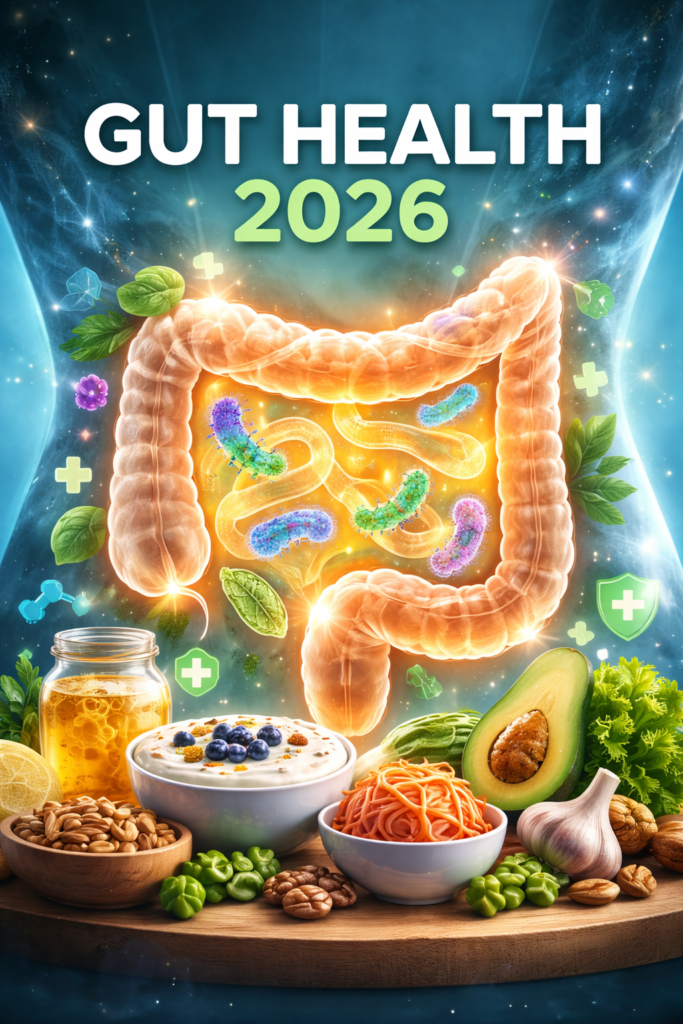
Gut health in 2026 has moved from a niche wellness trend to a mainstream medical focus in 2026. Doctors, nutritionists, and researchers now agree that the gut microbiome the trillions of bacteria living in your digestive system plays a critical role in immunity, metabolism, hormones, and even mental health.
In 2026, rising cases of autoimmune disorders, obesity, anxiety, and digestive issues have pushed gut health to the center of preventive healthcare. Instead of treating symptoms, modern health strategies focus on fixing the gut first.
What Is the Gut Microbiome? (Simple Explanation)
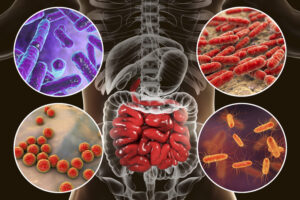
The gut microbiome is a complex ecosystem of beneficial and harmful bacteria living mainly in your intestines. A healthy gut microbiome helps:
Digest food efficiently, Absorb nutrients, Regulate blood sugar, Control inflammation, Support brain function, Bowl movement.
When gut bacteria are imbalanced—a condition called dysbiosis—it can lead to bloating, fatigue, weight gain, skin issues, weak immunity, and mood disorders and even cause constipation.
Signs of Your Gut Health being Poor
Many people ignore gut health problems because the symptoms seem unrelated. In 2026, doctors highlight these warning signs:
-
Frequent bloating or gas, Constipation or loose stools
-
Constant fatigue, Sugar cravings, Brain fog or anxiety
-
Frequent infections, Difficulty in losing weight
If you experience multiple symptoms, your gut may be the root cause.
Gut Health, Immunity & Inflammation Connection
Over 70% of the immune system lives in the gut. In 2026, research confirms that a damaged gut lining increases inflammation and weakens immune response.
Poor gut health can:
-
Trigger chronic inflammation, Increase allergy risk, Slow recovery from illness,Worsen autoimmune conditions.
A healthy gut, on the other hand, strengthens immunity naturally—without supplements or medications.
Gut Health and Weight Loss in 2026
Weight loss is no longer just about calories. Gut bacteria influence how your body stores fat and controls hunger hormones like leptin and ghrelin.
People with poor gut health often experience: Stubborn belly fat, Slow metabolism, Constant hunger
Improving gut health in 2026 has shown to: Improve insulin sensitivity, Reduce cravings, Increase fat burning, Support sustainable weight loss.
The Gut Brain Axis: Mental Health Starts in the Stomach
One of the biggest health breakthroughs of the decade is the gut–brain axis. The gut produces nearly 90% of serotonin, the “feel-good” hormone.
Poor gut health has been linked to:
-
Anxiety
-
Depression
-
Poor sleep
-
Low motivation
By improving gut health, many people in 2026 report:
-
Better mood stability
-
Improved focus
-
Reduced anxiety
-
Deeper sleep
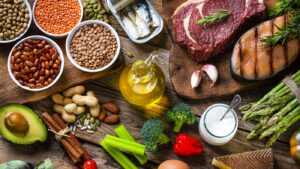
Best Foods for Gut Health in 2026
1. Probiotic Foods
These introduce good bacteria:
-
Yogurt (unsweetened)
-
Kefir
-
Kimchi
-
Sauerkraut
2. Prebiotic Foods
These feed good bacteria:
-
Bananas
-
Oats
-
Garlic
-
Onions
-
Chicory root
3. Fiber-Rich Foods
Fiber is essential for gut diversity:
-
Vegetables
-
Fruits
-
Lentils
-
Whole grains
4. Gut-Healing Foods
-
Bone broth
-
Fermented foods
-
Omega-3 rich foods
Habits That Damage Gut Health (Avoid in 2026)
Many modern habits silently destroy gut health:
-
Excess sugar and ultra-processed foods
-
Frequent antibiotic use
-
Chronic stress
-
Poor sleep
-
Overuse of antacids
Fixing these habits is often more powerful than taking supplements.
Probiotics, Supplements & New Gut Tech in 2026
In 2026, gut health supplements have evolved:
-
Personalized probiotics based on gut tests
-
Postbiotics for inflammation control
-
AI-powered microbiome analysis
However, experts agree: diet and lifestyle matter more than pills.
Global Gut Health Tips (USA, India, Europe)
-
USA: Focus on reducing processed food and sugar
-
India: Traditional foods like curd, buttermilk, and fermented rice support gut health
-
Europe: Emphasis on whole foods and fiber-rich diets
Gut health principles remain universal, even if foods differ.
Explore now: Fix Your Gut, Fix Your Health
In 2026, gut health is no longer optional—it’s foundational. From immunity and weight loss to mental clarity and energy, a healthy gut impacts every system in your body.
Instead of chasing quick fixes, start with your gut. Small changes in diet, sleep, and stress management can create life-changing results.