Introduction – The Silent Threat Lurking in Everyday Symptoms
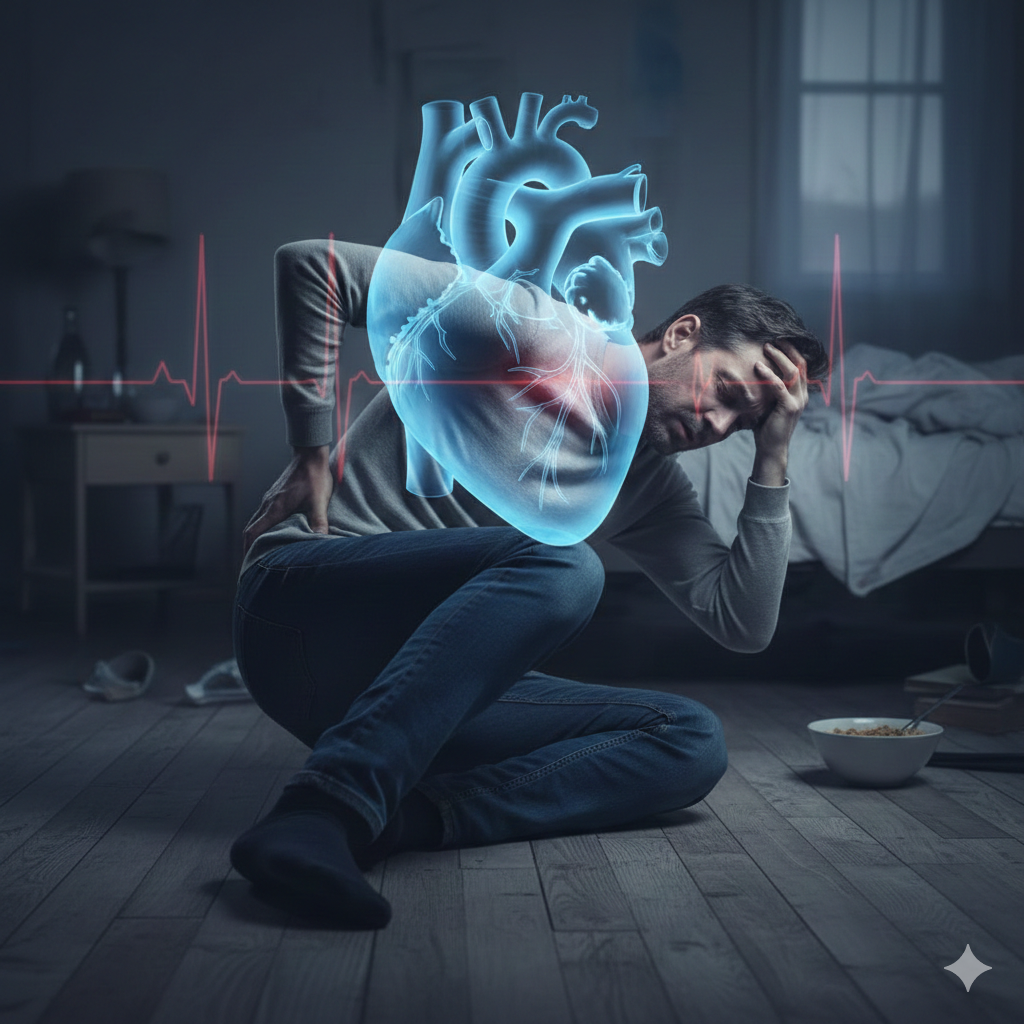
Silent heart attack symptoms 2026 are becoming one of the most dangerously overlooked health issues worldwide. Many people mistake extreme fatigue, sudden dizziness, back pain, or breathlessness for “just stress” but these can actually be your heart’s early warning signals. In today’s busy lifestyle, these symptoms blend into everyday exhaustion, making silent heart attacks even more deadly. This guide explains the signs you must never ignore and why recognizing them early can save your life.
Silent heart attacks don’t look like the dramatic scenes you see in movies. They sneak up quietly sometimes without chest pain at all. Yet they can be just as deadly.
Understanding these subtle warning signs could literally save your life or someone you love.
What Are Silent Heart Attacks?
A silent heart attack symtoms 2026 (also called a silent myocardial infarction) happens when blood flow to the heart is blocked, but the symptoms are so mild or unusual that people don’t realize what’s happening.
Instead of the classic crushing chest pain, silent heart attacks may appear as:
mild discomfort
unexplained fatigue
back pain
indigestion-like feelings
dizziness
Because people assume these symptoms are harmless, they delay seeking help making damage far worse.
Key Symptoms You Might Dismiss as Stress
Silent heart attack symptoms often overlap with stress, anxiety, or exhaustion. That’s why they are so dangerous. Here are the major signs people incorrectly ignore:
Extreme Fatigue
This is one of the most overlooked symptoms. If you suddenly feel:
unusually tired
drained without reason
exhausted even after resting
…it may be your heart struggling to pump blood effectively.
Women especially report “deep fatigue” days or even weeks before a heart attack.
Back, Jaw, or Neck Pain
Heart-related pain doesn’t always stay in the chest. It can radiate into:
the upper back
the jaw
the neck
the shoulders
the left or both arms
This referred pain is often mistaken for muscle tension, poor posture, or TMJ issues.
Sudden Dizziness or Lightheadedness
If you stand up or move and suddenly feel faint, dizzy, or off-balance, it may indicate:
drop in blood pressure
irregular heartbeat
reduced blood flow to the brain
Stress rarely causes dizziness that appears out of nowhere but heart problems can.
Nausea and Cold Sweats
A sudden wave of nausea combined with clammy, cold sweat is one of the most important silent warning signs.
Many people mistake it for:
food poisoning
indigestion
anxiety
But when nausea hits with sweating, it can signal a major cardiac event.
Shortness of Breath
If you can’t catch your breath even while resting or doing a small activity, your heart may not be pumping efficiently.
Shortness of breath can appear with or without chest pain during a silent heart attack.
Why December and January Boost Heart Attack Risks
Heart attacks spike by up to 30% during December and January, and here’s why:
Cold weather constricts blood vessels, increasing heart strain
Holiday stress raises blood pressure and cortisol
Overeating and alcohol can trigger inflammation and arrhythmias
Skipping medications during travel or celebrations
Seasonal depression reduces physical activity
Respiratory infections put extra pressure on the cardiovascular system
This deadly combination makes winter the most dangerous season for undetected cardiac events.
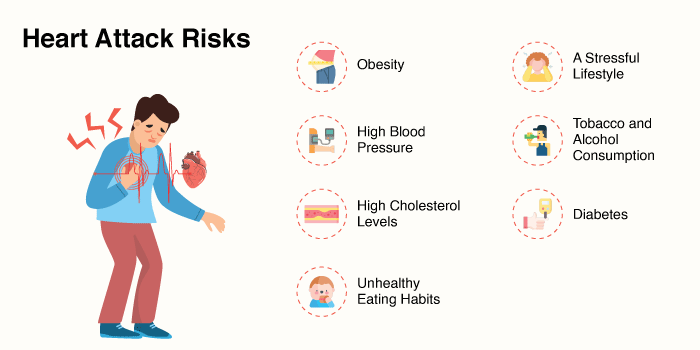
Who’s Most at Risk?
Silent heart attacks can happen to anyone, but the highest-risk groups include:
Adults over 45 (men) or over 55 (women)
Smokers
People with diabetes
Those with high blood pressure or high cholesterol
Individuals with a family history of heart disease
Overweight or sedentary individuals
People under chronic stress
Individuals with prior heart damage they didn’t know about
Diabetics in particular are prone to silent attacks symtoms 2026 because nerve damage can hide pain signals.
When to Act: The Critical 5-Minute Window
If you or someone else experiences several of these symptoms at once, especially lasting more than 5 minutes:
Call emergency services immediately.
Do NOT drive yourself to the hospital.
Do NOT wait to “see if it goes away.”
Do NOT assume it’s stress or anxiety.
Medical treatment within 5–15 minutes can prevent permanent heart damage or death.
Conclusion – Listen Before It’s Too Late
Your body whispers before it screams.
Extreme fatigue, strange pains, sudden dizziness, nausea, or trouble breathing are NOT just stress—they might be your heart begging you to pay attention.
Silent heart attacks symotoms 2026 are preventable if you recognize the signs early.
Listen to your symptoms. Trust your instincts. Get help fast.

good
very good
execellent
Gooood